The Power Is From Inside
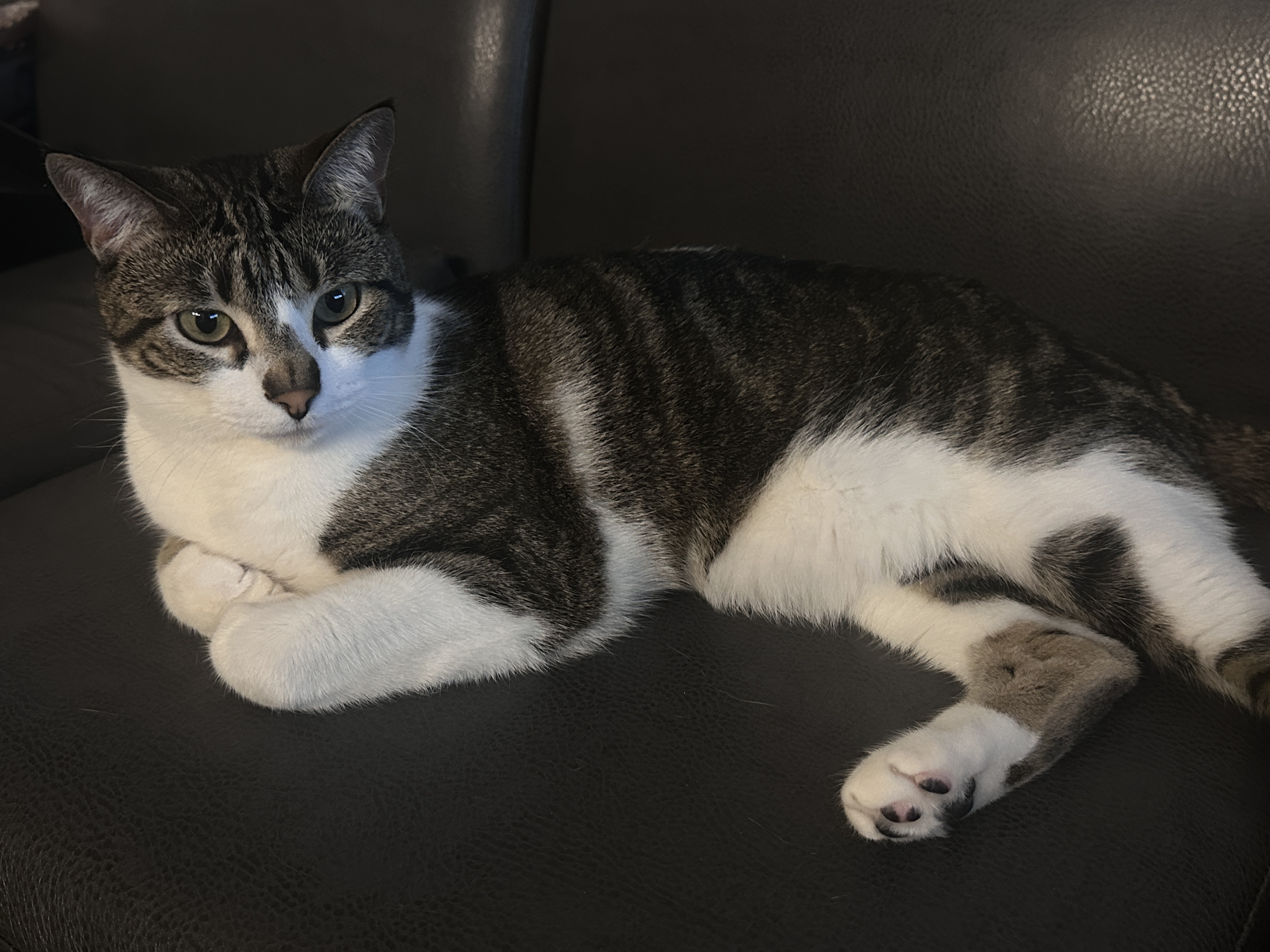
After a long day of working and socializing, I finally have some peaceful time to write down what’s on my mind these days. And my cat? He is right next to me.
Today I want to talk about how I finally realized I have power over my life—and started acting on it.
I don’t think I had this realization until very recently. In one of my weekly meetings with my advisor, he told me, very gently, “I feel like you tend to rely on me.” Even though it was said so kindly, it was still hard to hear. And like the chronic ruminator I am, my brain immediately got to work doing what it does best: analyzing myself. Looking back, I can see two patterns I had been showing—patterns of someone who doesn’t believe in their own power.
First, even though I never really said it out loud, I tend to rely on other people to make decisions for me, or to consistently seek confirmation for decisions I’ve already made. It shows up everywhere. Academically, I tend to rely on my advisors to keep track of what I should be doing. In other parts of life, when I decide to do something, I find myself consistently seeking validation for it. Sometimes an objection can easily revert my decision.
Second, I seem to blindly expect things to resolve themselves, usually without my active involvement. I remember complaining to a friend about how the drawer of my lab desk had been broken for so long and how much trouble it caused me. And she said, “That’s because you’ve never actually tried to fix it. It doesn’t matter how long it’s been broken—you just never took any action.” That struck me. I don’t know how to describe the feeling exactly, but in that moment I suddenly felt very confused: why do I keep complaining about things without ever doing anything about them?
I do think about why I have these tendencies. I think a large part of the answer lies in the way I grew up. I was raised in a family full of love. My parents loved me deeply, and because they loved me so much, they tended to be overprotective and make decisions for me based on what they thought was best for me. Or sometimes they were busy enough to simply make decisions quickly and not fully consider what I really wanted. Growing up in a culture where listening to your parents is considered a virtue, I was happy—even proud—to agree with them. Looking back, I think I unconsciously became used to having someone else decide what the “right” choice was. That’s why I tend to depend on other people when making decisions today. Deep down, I wasn’t simply looking for advice—I was looking for someone to play the role my parents had always played. And in terms of why I expect things to fix themselves, it’s because things used to be fixed by my parents in my childhood.
None of this means my parents did anything wrong. On the contrary, my parents are trying their best to love me in the way they understand love. I was incredibly fortunate to grow up surrounded by so much love. I still remember my mom telling my dad, “Let’s never argue in front of our little girl.” They wanted to give me a peaceful childhood, and they did. I love them deeply. But I also have to admit that some of our interactions were not fully healthy, and they have had a more profound effect on me than I would have imagined.
Now, as I grow up and think about it logically, these two tendencies are really harmful. If I rely too much on other people, it becomes tempting to blame them when things don’t work out. If I externalize my power and expect life to fix itself, it’s easy to fall into a victim mentality, constantly asking, “Why did this happen to me? Why me?”—and end up wasting so much precious time that I could have used to keep trying, failing, and figuring things out. I believe the ultimate, maybe uncomfortable answer to those “why” questions is that I am not actively taking responsibility or using my power over my own life. While people who love us care deeply about our lives, they cannot live our lives for us. Most people are already busy managing their own. They can support us, but they cannot—and should not—take responsibility for our life.
However, I am not saying it’s all my fault for every situation. I completely understand that:
- Sometimes we don’t even realize a situation can be changed and be better, so changing it never becomes an option in our minds.
- Sometimes we simply don’t know how.
- Sometimes the change feels terrifying because we’ve never done anything like it before, and it makes perfect sense to spend time preparing ourselves and gathering courage.
- And sometimes, the situation is genuinely outside our control.
The important distinction is not whether we can solve every problem in our lives by ourselves—we can’t. The important question is whether we are taking an active role in our own lives. For every situation above, we can still:
- Openly seek advice and help from people who have gone through something similar,
- Take one small step forward without expecting it must work, or
- Recognize when something cannot be changed and choose to walk away or move on.
These are all forms of action. And I think that is the real power I have over my life. No matter what the problem is, I should be the one actively working on it. People can give advice and offer help, but it is my life, my decision, my responsibility.
Before I end, I want to say that complaining and staying still is also a decision. Change is difficult. It is much easier to stay where we are and complain, which brings us sympathy from other people, than to face the uncertainty and discomfort that change requires. But staying still is also a choice we make for our life. When we choose not to act because change feels painful, we are still making a decision. Complaining isn’t the problem—sometimes it is even necessary. The problem is when complaining becomes a substitute for action. At that point, nothing changes, not because life refuses to change, but because I have quietly chosen not to.
I wish you a good day or a good night :)
Enjoy Reading This Article?
Here are some more articles you might like to read next: